(412) 946-8734






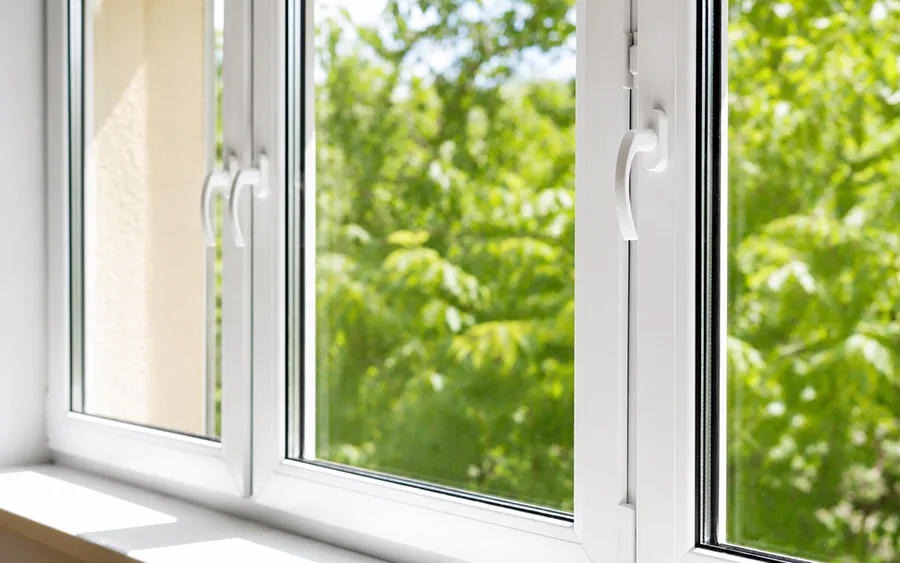
When homeowners and business owners start looking for ways to improve comfort inside their space, heat reflective window film is often one of the first solutions they discover. Large windows bring in natural light and beautiful views, but they can also allow excessive solar heat, glare, and harmful UV rays to enter throughout the day. This can make rooms uncomfortable, create hot spots near windows, and contribute to fading on furniture, flooring, artwork, and fabrics.
Heat reflective window film is designed to help manage those problems without requiring major renovations or window replacement. Applied directly to existing glass, solar film helps reduce the amount of heat and glare entering a building while still maintaining visibility and natural light. For many property owners, the return on investment comes from improved comfort, enhanced usability of indoor spaces, and long-term protection for interiors.
What Is Heat Reflective Window Film?
Heat reflective window film, often called solar window film, is a thin multi-layer material professionally installed onto glass surfaces. The film is engineered to reflect and absorb portions of the sun’s solar energy before it enters the building.
Some films have a darker tinted appearance, while others are nearly invisible. This flexibility allows homeowners and commercial property owners to choose a solution that fits both performance goals and aesthetic preferences.
Why Solar Heat Matters
Windows are one of the biggest sources of heat gain in a building. During warmer months, direct sunlight passing through untreated glass can dramatically raise indoor temperatures. South-facing and west-facing windows are especially known for creating uncomfortable afternoon heat.
This often leads to:
- Discomfort for employees, customers, or family members
- Rooms becoming difficult to use during peak sunlight hours
- Increased glare on televisions and computer screens
- Uneven temperatures throughout the building
- Constant adjustment of blinds or curtains
Heat reflective window film helps reduce the intensity of sunlight entering through glass, making spaces feel more consistent and comfortable throughout the day.
How Solar Film Can Help Reduce HVAC Usage
One of the biggest long-term advantages of heat reflective window film is its ability to reduce the strain placed on HVAC systems. When untreated windows allow excessive heat into a building, air conditioning systems must work harder and run longer to maintain comfortable indoor temperatures.
By reducing solar heat gain at the glass, solar film helps stabilize indoor temperatures and reduce overheating near windows. This can help HVAC systems operate more efficiently, especially during warmer months when cooling demands are highest.
In many homes and commercial buildings, this may contribute to:
- Less frequent HVAC cycling
- Reduced strain on cooling equipment
- More balanced indoor temperatures
- Improved overall energy efficiency
- Potential energy savings over time
While energy savings vary depending on the building, glass type, sun exposure, and HVAC system, many property owners notice their space feels cooler and more manageable after installation. Over time, reducing excessive solar heat can help support the longevity and performance of cooling systems as well.
UV Protection and Interior Preservation
Another important part of solar film ROI is interior protection. Over time, ultraviolet rays can contribute to fading and deterioration of valuable interior materials.
UV exposure can affect:
- Hardwood flooring
- Furniture
- Upholstery
- Artwork
- Rugs and carpets
- Merchandise displays
Many solar films help block a significant percentage of UV rays, helping preserve the appearance of interior finishes over time.
This protection is especially valuable for businesses with window displays or homes with large sunlit areas where fading is more noticeable.
Comfort Is One of the Biggest Returns
When people think about ROI, they often focus only on utility savings. While solar film may contribute to improved efficiency, one of the most immediate and noticeable returns is comfort.
A room that was once too hot to enjoy during the afternoon can become usable again. Offices with excessive glare can become easier to work in. Living rooms with large windows can maintain natural light without feeling overheated.
This everyday improvement in comfort is often what property owners value most after installation.
For commercial spaces, comfort also impacts employee experience and customer satisfaction. Restaurants, offices, retail spaces, and waiting rooms all benefit from more balanced temperatures and reduced glare.
Glare Reduction Without Losing Natural Light
Many people assume window film will make their space feel dark or closed off. Modern solar films are designed to reduce glare while still allowing natural daylight inside.
Reducing glare can improve visibility on screens, minimize eye strain, and create a more comfortable atmosphere without constantly closing blinds or curtains.
Natural light remains one of the most desirable features in both homes and commercial buildings, and solar film helps maintain that benefit while controlling the downsides of direct sunlight.
Residential Benefits of Solar Film
Homeowners often install solar film to solve specific comfort problems throughout the house.
Common residential applications include:
Living Rooms
Large front windows can create intense afternoon heat and glare. Solar film helps make the space more enjoyable without covering the windows completely.
Bedrooms
Rooms that receive strong morning or evening sun can stay more comfortable and easier to relax in.
Sun Rooms
Sunrooms are designed to maximize natural light, but they can quickly become too hot without solar protection.
Home Offices
Reducing glare on monitors and maintaining consistent temperatures can create a better work-from-home environment.
Sliding Glass Doors
Patio doors often allow substantial solar heat into the home. Heat reflective film helps manage sunlight while maintaining outdoor views.
Commercial Benefits of Solar Film
Commercial buildings often have even larger expanses of glass, making solar control an important consideration. Businesses frequently install heat reflective window film to improve comfort, reduce glare, and create a more consistent environment for employees and visitors.
Common commercial applications include:
Office Buildings
Large office windows can create excessive glare and uneven temperatures throughout the workday. Solar film helps create a more comfortable workspace while reducing harsh sunlight on screens and workstations.
Retail Storefronts
Storefront glass allows in natural light but can also increase indoor heat and contribute to fading merchandise displays. Solar film helps maintain visibility while protecting products and improving comfort for customers.
Schools
Classrooms with strong sun exposure can become distracting and uncomfortable for students and staff. Heat reflective film helps reduce glare and create a more balanced learning environment.
Medical Facilities
Patient comfort is important in healthcare environments. Solar film can help reduce bright glare and overheating in waiting rooms, offices, and treatment areas.
Apartment Buildings
Multi-unit properties can benefit from improved comfort and reduced glare in shared spaces and residential units while maintaining the appearance of the building.
Choosing the Right Solar Film
Not all heat reflective window films are the same. Different products are designed for different goals.
A professional window film consultation helps determine which film best matches the building’s orientation, glass type, and performance needs.
Factors like window direction, sun exposure, and desired appearance all play a role in selecting the right solution.
Professional Installation Matters
Proper installation is essential for long-term performance and appearance. Professionally installed solar film is carefully measured, applied, and finished to ensure a clean result free from bubbles, peeling, or distortion.
Our team of window film experts and installers can also recommend film types compatible with your existing glass and building conditions.
High-quality film combined with professional installation helps maximize durability, appearance, and overall value.
Frequently Asked Questions (FAQs)
Does heat reflective window film reduce natural light?
Most solar films are designed to reduce heat and glare while still allowing natural light into the space.
Can solar window film help lower cooling costs?
By reducing solar heat gain, window film can help HVAC systems operate more efficiently, which may contribute to lower cooling costs over time.
Can solar window film help with fading?
Yes. Many solar films help block UV rays that contribute to fading on furniture, flooring, artwork, and fabrics.
Is solar film only for commercial buildings?
Some films are more reflective or tinted, while others maintain a more natural appearance. There are options available for different aesthetic preferences.
Will solar film change the appearance of my windows?
Some films are more reflective or tinted, while others maintain a more natural appearance. There are options available for different aesthetic preferences.
How long does professionally installed solar film last?
Professionally installed solar window film is designed to last for many years, with residential films typically backed by a lifetime warranty and commercial films commonly covered for 10 years, often performing well beyond that.